Jolly Snowman Key Fob: A Designer’s Review
As an embroidery designer who has spent years digitizing and testing thousands of patterns, I approach every new machine embroidery design with a critical eye. It is not enough for a pattern to look cute on a screen; it must hold up under the needle, survive the wash, and appeal to the end customer. Recently, I evaluated the Jolly Snowman Key Fob, a festive piece that promises to capture the cheerful spirit of winter. After putting it through its paces on various fabrics and hoop sizes, I am ready to share my practical insights for fellow crafters, Etsy sellers, and boutique owners.
First Impressions and Visual Personality
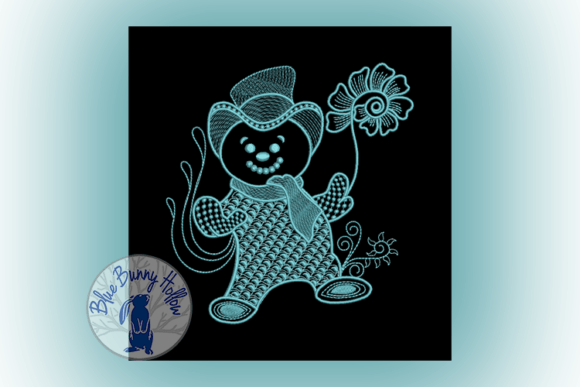
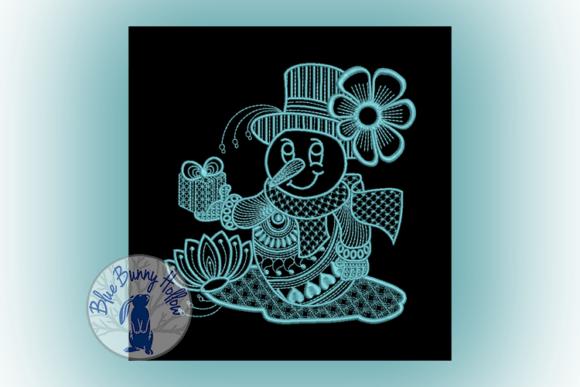
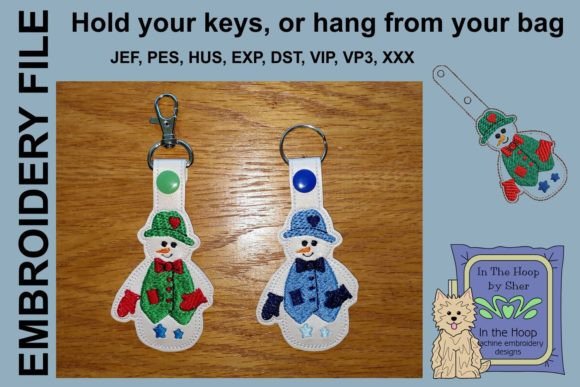
The first thing that strikes you about the Jolly Snowman Key Fob is its compact charm. In the world of holiday embroidery, snowmen are ubiquitous, but this design manages to feel fresh rather than generic. The layout is tight and self-contained, which is essential for key fobs and small accessories where space is at a premium. The visual personality is undeniably friendly, relying on classic winter motifs without becoming cluttered.
From a design perspective, the balance between negative space and stitched areas feels intentional. It does not suffer from the "over-digitized" look that plagues many cheap digital products. Instead, it allows the fabric to breathe, which is crucial for maintaining a professional appearance in handmade products. The mood it creates is nostalgic and warm, making it an ideal candidate for personalized gifts and seasonal decor.
Real-World Application: Beyond the Key Fob
While the title suggests this is strictly for key fobs, limiting this embroidery file to such a small application would be a mistake. During my review, I tested the design on a variety of substrates to see where it truly shines. I started with a standard cotton tote bag, using the snowman as a central accent. The result was delightful. The design scaled well, retaining its clarity even when enlarged slightly for a tote bag design.
I also experimented with sweatshirt embroidery on a crewneck fleece. Here, the design served as a perfect left-chest logo. The simplicity of the snowman’s features ensured that the details did not get lost in the pile of the fabric. For those running a craft business, this versatility is a major selling point. You can offer this as part of a coordinated holiday collection, applying it to aprons, kitchen towels, and even baby items. Speaking of which, the soft, rounded edges of the snowman make it particularly suitable for baby embroidery projects, provided you use appropriate stabilizers and soft threads.
For Etsy sellers looking to expand their design assets, this pattern works beautifully as an embroidered patch. By stitching it out on felt or twill and cutting it close to the edge, you create a durable appliqué that can be ironed or sewn onto jackets and hats. This transforms a simple digital download into a high-value physical product.
Technical Performance and Stitch Quality
When evaluating any digital embroidery file, I pay close attention to stitch types and density. The Jolly Snowman Key Fob utilizes a mix of satin stitches for outlines and fill stitches for the body of the snowman. The transition between these stitch types is smooth, minimizing thread breaks and jumps. However, there are areas where careful attention is required.
The stitch density appears moderate, which is generally good for speed and fabric integrity. However, if you are working with thin or stretchy fabrics, such as jersey knits for t-shirts, you must use a cut-away stabilizer. A tear-away might not provide enough support for the fill areas, leading to puckering. I also noticed that the smaller details, such as the eyes and buttons, rely on precise registration. If your machine is not calibrated correctly, these tiny elements can shift, altering the character’s expression.
Thread color choice plays a significant role in the final outcome. I tested the design with traditional red and green threads against white fabric, and it popped nicely. However, when I tried a monochromatic scheme using shades of blue on a navy background, the contrast was insufficient. This highlights the importance of testing thread combinations. Always check your design in black and white mockups to ensure the shapes remain distinct regardless of color.
Considerations for Commercial Use
For commercial embroidery professionals and small shop owners, consistency is key. Before adding the Jolly Snowman Key Fob to your product line, you must verify the licensing terms. Ensure that the file allows for the sale of finished physical items. Most designers permit this, but restrictions on sharing the digital file itself are standard. Never distribute the raw embroidery file to customers; only sell the stitched product.
Another consideration is production time. Because this is a smaller design, it stitches out relatively quickly, which is advantageous for high-volume orders during the holiday rush. However, do not sacrifice quality for speed. Use high-quality threads to prevent shredding, especially if the items will be washed frequently. A personalized gift loses its value if the embroidery fades or frays after one laundry cycle.
Fabric and Hoop Constraints
While versatile, this design is not universal. Avoid using it on highly textured fabrics like heavy wool or bouclé, as the small details will get lost. Similarly, be cautious with dark fabrics if your design relies on light-colored threads for contrast. In such cases, consider using an underlay stitch or a backing fabric to enhance visibility.
Hoop size is another critical factor. Ensure your hoop is large enough to accommodate the design with adequate margin for stabilization. If you are stitching multiple items in a row, consider using a multi-position hoop to maintain alignment. For curved surfaces like caps, use a cap frame and adjust the pull compensation settings to prevent distortion.
Final Verdict for Makers and Designers
The Jolly Snowman Key Fob is a solid addition to any winter-themed library. It balances aesthetic appeal with technical feasibility, making it accessible for hobbyists and reliable for professionals. Its strength lies in its adaptability; it is not just a key fob design but a versatile element for custom apparel, home decor, and accessories.
My advice to fellow designers is to treat this as a starting point. Experiment with different fabrics, threads, and placements. Create printable mockups to showcase the design in various contexts on your online store. Show it on a cozy mug holder, a child’s backpack, or a festive pillow cover. By demonstrating its versatility, you increase its perceived value and appeal to a broader audience.
Remember, the success of any embroidery project depends on execution. Test on scrap fabric first, check your tension, and inspect the finished product for loose threads or uneven stitching. When done correctly, this design can elevate your small shop product lineup and bring a touch of jolly winter cheer to your customers. It is a reliable, charming, and professionally viable asset for your creative enterprise.