Kitchen Utensils Split: A Designer’s Review for Branding
As an embroidery designer who has spent years digitizing and testing files for small businesses, I approach every new machine embroidery design with a critical eye. It is not enough for a graphic to look good on a screen; it must perform under the needle, withstand washing, and communicate brand value instantly. Recently, I evaluated Kitchen Utensils Split, a culinary-themed design intended for those who appreciate the art of cooking and baking. My goal was to determine if this asset holds up as a viable tool for branded merchandise, from café uniforms to boutique packaging.
First Impressions: Visual Personality and Tone
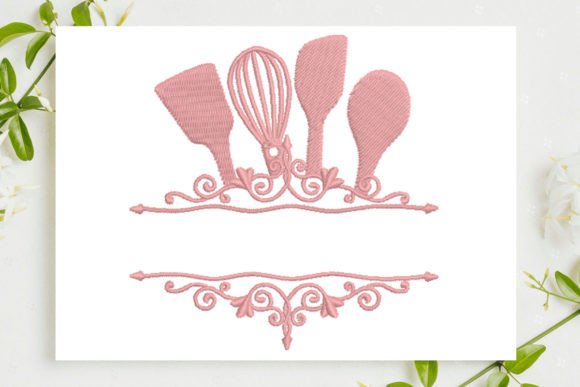
The first thing that strikes you about Kitchen Utensils Split is its inherent charm. The title suggests a deconstructed or stylized approach to common kitchen tools, which often translates into a modern yet rustic aesthetic. In the context of brand identity, this is crucial. For a bakery, a local café, or a handmade soap company with kitchen-inspired scents, the design feels approachable and warm. It does not scream "corporate"; instead, it whispers "handcrafted."
This visual personality is ideal for businesses aiming to project authenticity. When I visualize this embroidery file on a canvas tote or a linen apron, it complements the texture of the fabric rather than overpowering it. The split composition likely allows for creative placement, such as wrapping around a pocket or separating across a seam, which adds a layer of sophisticated design thinking to simple custom apparel.
Real-World Applications for Small Business Merch
For small business owners, particularly those in the food and hospitality sectors, versatility is key. Here is how Kitchen Utensils Split performs across various commercial applications:
- Staff Uniforms and Aprons: This is perhaps the strongest use case. An embroidered logo on a chef’s apron signals professionalism. Because the design relates directly to cooking, it reinforces the staff's expertise. Using this as a chest logo accent on work shirts creates a cohesive team look without being overly aggressive.
- Embroidered Patches: Patches are a trending item for small business merch. This design could be digitized as a standalone patch for customers to buy as add-ons. It works well on denim jackets or canvas bags, allowing customers to become walking billboards for your brand.
- Tote Bag Design: Retailers often sell reusable bags. Placing Kitchen Utensils Split centrally on a cotton tote creates an attractive, functional product. The culinary theme appeals to shoppers who frequent farmers' markets or grocery stores, aligning the product with their lifestyle.
- Cap Embroidery: For a more casual vibe, this design can be adapted for headwear. However, due to the curved surface of a cap, the "split" nature of the design needs careful handling to ensure the elements do not distort over the crown's curve.
Technical Considerations and Placement Strategy
While the aesthetic appeal is high, technical execution determines the quality of the finished product. As a designer, I advise caution when scaling this design for very small areas. If you intend to use it as a tiny label on a garment hem, the details might merge. Always check the stitch density relative to the size. High density on small text or thin utensil handles can cause puckering, especially on lighter fabrics.
When working with fabric texture, consider the base material. On thick towels or heavy denim, the design will pop beautifully. However, on thin polyester blends commonly used for performance aprons, you must use the correct stabilizer. A cut-away stabilizer is often recommended for items that will undergo frequent industrial washing, ensuring the stitches remain intact and the fabric does not distort over time.
Another critical factor is color contrast. If you are embroidering on dark uniforms, ensure your thread colors provide sufficient visibility. A monochrome look can be elegant, but if the "split" elements rely on subtle shading, they may get lost on black or navy fabric. Test a sample in black and white first to verify that the shape remains recognizable without color reliance.
Challenges with Curved and Textured Surfaces
Applying this design to curved surfaces like caps or rounded tote bag corners requires precise hooping. The hoop size must accommodate the entire design without stretching the fabric unevenly. If the design includes fine lines representing utensil handles, these are prone to breaking if the fabric shifts during stitching. Always run a test stitch-out on the actual material you plan to use for production. Do not rely solely on a printable mockup; digital representations cannot simulate thread tension or fabric pull.
Impact on Brand Identity and Customer Trust
Why does the choice of design matter for commercial embroidery? Because it builds trust. A crisp, well-executed embroidered logo suggests attention to detail. When a customer receives a tote bag or apron featuring Kitchen Utensils Split, they perceive higher value compared to a printed equivalent. Embroidery adds tactile depth, making the handmade product feel premium.
Consistency is also vital. If your brand uses rustic, culinary-themed visuals in your social media and packaging, this design asset bridges the gap between digital marketing and physical products. It enhances visual consistency, making your brand instantly recognizable. For Etsy sellers and crafters, offering items with this specific embroidery can differentiate your shop from competitors using generic clipart.
Practical Designer Notes for Production
Before launching a full production run using Kitchen Utensils Split, follow these steps to ensure quality control:
- Verify File Specifications: Check the provided digital embroidery file formats to ensure compatibility with your machine. Confirm the recommended hoop size and stitch count if provided by the creator.
- Test Stitch-Outs: Always embroider a sample on the exact fabric type and color you intend to sell. Check for thread breaks, nesting, or fabric puckering.
- Review Licensing: Confirm the commercial licensing terms. Ensure you have the right to use the design on items for sale, not just for personal use.
- Create Mockups: Use high-quality photos of your test stitches to create printable mockup materials for your website. Show the design on aprons, caps, and patches to help customers visualize the final product.
- Check Spacing: If the "split" elements are far apart, ensure they fit within your standard hoop without requiring re-hooping, which can lead to alignment issues.
In conclusion, Kitchen Utensils Split offers a charming, professional option for businesses in the culinary and handmade sectors. Its strength lies in its ability to convey warmth and craftsmanship. By paying attention to technical details like stabilizer choice, thread contrast, and placement, you can transform this embroidery design into a powerful tool for brand building. Whether used on a staff uniform or a customer gift, it adds a tangible touch of quality that resonates with buyers who value the art of cooking and creation.