Medical Syringe: A Designer’s Review for Boutique Sweatshirts
As an embroidery designer who has spent years refining digitizing techniques for small clothing brands, I approach every new machine embroidery design with a critical eye. It is not just about whether the file runs smoothly; it is about how the final stitch-out elevates the garment. Recently, I evaluated the Medical Syringe pattern for a potential limited drop in my boutique’s upcoming collection. This review breaks down the aesthetic potential, technical considerations, and commercial viability of using this specific embroidery file on premium apparel.
First Impressions: Nostalgia Meets Modern Streetwear
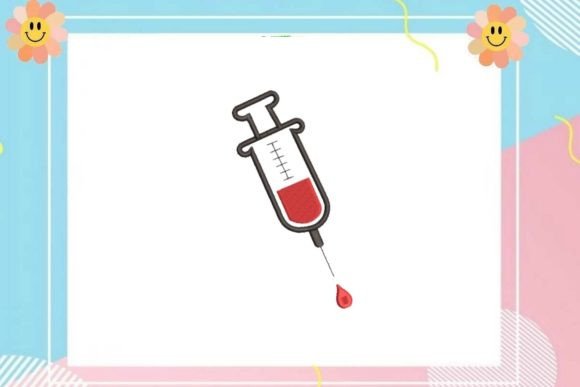
The initial appeal of the Medical Syringe design lies in its ability to tap into a specific cultural moment. The product description mentions embracing nostalgia, and visually, this translates well into the current trend of retro-medical or clinical-chic aesthetics. When I loaded the digital preview, I looked for clean lines and balanced proportions. A syringe is a simple object, but in embroidery, simplicity can be deceptive. If the digitizing is poor, thin lines become fragile and break during washing. If it is too dense, the fabric puckers.
This design appears to strike a balance between minimalism and decorative detail. It does not scream "costume"; rather, it feels like a thoughtful graphic element suitable for custom apparel. For a boutique brand, this distinction is vital. We are not selling generic merch; we are selling a vibe. The Medical Syringe motif offers a playful yet edgy tone that resonates with nursing students, medical professionals, or anyone who appreciates dark humor and vintage scientific imagery. It feels casual enough for daily wear but distinct enough to serve as a statement piece.
Visualizing the Design on Sweatshirt Fabric
The true test of any sweatshirt embroidery project is how the design interacts with the fabric texture. I imagined this pattern applied to various bases in my inventory. On a heavy, neutral-toned cotton fleece, the design would likely pop with authority. The stark lines of a syringe contrast beautifully against the soft, organic feel of brushed cotton. I envision placing a smaller version on the left chest for a subtle, professional look, or a larger, bolder iteration on the back for an oversized hoodie aesthetic.
For pastel colors, such as sage green or blush pink, the Medical Syringe takes on a softer, more feminine or cute demeanor. Here, thread choice becomes paramount. Using matte polyester threads can reduce shine, making the embroidery look integrated rather than slapped on. Conversely, on dark fabrics like charcoal or black, high-contrast thread colors—such as crisp white, metallic silver, or even neon accents—would make the design stand out dramatically. This versatility makes it a strong candidate for a diverse seasonal lineup.
When considering hoodie design placements, sleeve accents are trending. A small syringe embroidered near the cuff or halfway up the sleeve adds a unique detail that customers notice in printable mockup previews and real-life lifestyle product photography. It transforms a basic garment into a curated handmade product.
Technical Considerations for Commercial Production
Before running a production batch, several technical factors must be addressed to ensure the finished product meets commercial standards. Since this is offered under Freebies or as an instant download, verifying the quality of the digital embroidery file is essential. I always recommend checking the stitch count and density settings before hooping your final garment.
- Stitch Density and Fabric Thickness: Sweatshirts are thick. If the stitch density is too high, the needle may perforate the fabric excessively, leading to weakness or visible holes. If it is too low, the underlying fabric might show through, ruining the crispness of the syringe outline. A medium density with proper underlay stitches is ideal for maintaining shape without bulk.
- Stabilizer Choice: For knit fabrics like fleece or French terry, a cut-away stabilizer is non-negotiable. It provides permanent support that withstands the stretch of the garment. Tear-away stabilizers may seem easier, but they often fail to support the design long-term, leading to distortion after the first wash.
- Hoop Size and Placement: Ensure the design fits comfortably within your chosen hoop size. For chest placements, a 4x4 or 5x7 hoop is standard. Always center the design carefully, accounting for the seam allowances of the sweatshirt. Misaligned embroidery is the fastest way to lose buyer trust.
- Thread Color Contrast: Because the subject is a medical instrument, precision is key. Use high-quality rayon or polyester threads that resist fading. The contrast between the barrel, the plunger, and the needle tip must be clear. If the design includes shading, ensure the color transitions are smooth to avoid a pixelated look.
It is crucial to note that while the description highlights it as perfect for DIY crafts and medical bags, adapting it for commercial embroidery on apparel requires rigorous testing. Always run a test stitch-out on a scrap piece of the exact fabric you intend to use. Check for puckering, thread breaks, and registration accuracy.
Enhancing Brand Identity and Product Value
For an Etsy seller or small shop owner, the right design asset can significantly boost brand identity. The Medical Syringe is not just a picture; it is a signal to your target audience. It speaks to a niche community. By incorporating this into a cohesive collection, you create visual recognition. Customers begin to associate your brand with clever, high-quality, niche-specific designs.
Using this design in your design assets library allows for versatile marketing. You can create mockups showing the embroidery on tote bags, scrub caps, and sweatshirts, demonstrating the versatility of the file. This helps customers visualize the value. A well-executed embroidery job suggests durability and care, which justifies a higher price point compared to printed graphics. It transforms a simple sweatshirt into a keepsake item.
Moreover, the "instant download" nature of the product means you can iterate quickly. If one colorway doesn't sell, you can switch thread colors and relist without waiting for new digital files. This agility is crucial for small shop product management. However, always respect the license terms. Even if categorized under Freebies, confirm whether commercial use is permitted for physical goods. Protecting your business legally is as important as the artistic choice.
Final Verdict for Boutique Owners
The Medical Syringe embroidery pattern holds significant promise for boutique owners looking to add edge and personality to their apparel lines. It bridges the gap between playful nostalgia and modern streetwear. Its success, however, depends entirely on execution. The design itself is a tool; your skill in selecting fabrics, threads, and stabilizers determines the final quality.
If you are preparing a limited drop, I recommend starting with a small batch of neutral oversized hoodies. Use high-contrast threads to highlight the meticulous details mentioned in the description. Pay attention to the fabric texture and ensure your machine is calibrated for heavier materials. When done correctly, this design will not only look premium but also resonate deeply with your audience, driving engagement and sales. Remember to check all technical specs of the embroidery file before full-scale production to ensure every stitch contributes to a polished, professional appearance.