Review: Beautiful One Line Border for Modern Embroidery
As a designer who spends more time staring at stitch simulations than I care to admit, I have learned that simplicity is often the hardest thing to execute well. When I first loaded the Beautiful One Line Border into my software, my initial reaction was one of cautious optimism. In the world of machine embroidery design, minimalism can easily tip into emptiness if the line weight and flow are not perfectly balanced. However, this particular piece manages to walk that tightrope with grace. It is not just a decorative element; it is a versatile tool for elevating everyday items into curated, high-end goods.
The Aesthetic Appeal and First Impressions
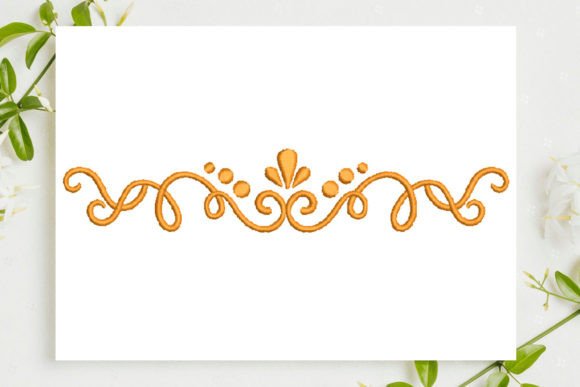
The mood created by this design is unmistakably elegant and understated. Unlike heavy, dense patterns that demand attention, the Beautiful One Line Border whispers. Its visual personality is clean, modern, and fluid. For embroidery designers and Etsy sellers looking to expand their catalog beyond busy, colorful motifs, this offers a refreshing alternative. The single-line approach suggests continuity and wholeness, making it an excellent choice for projects where the fabric itself plays a significant role in the final look.
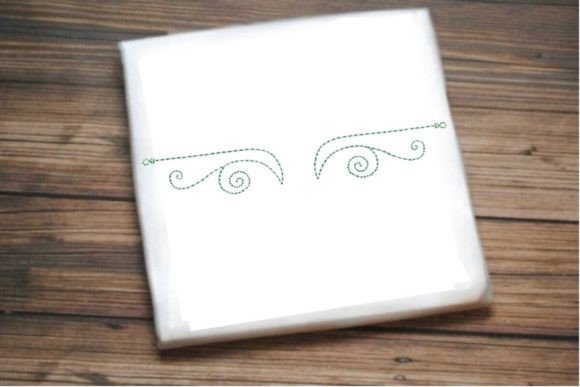
I appreciate how the layout avoids unnecessary complexity. In real-world applications, overly detailed borders can become muddy, especially on textured fabrics. This design’s clarity ensures that the stitch density remains low, which is a massive advantage for both production speed and fabric integrity. It feels like a design that respects the material it sits on, rather than overpowering it.
Real-World Application: The Custom Tote Bag Test
To truly evaluate a border design, you must see it in context. I recently worked on a batch of custom canvas tote bags for a local boutique. The client wanted something sophisticated that would appeal to young professionals, avoiding the cliché of loud, cartoonish graphics. I chose the Beautiful One Line Border to frame a simple monogram in the center of the bag.
The result was striking. Because the design uses a continuous line, likely relying on a precise running stitch or a very fine satin stitch depending on the scale, it laid flat against the coarse weave of the canvas. There was no puckering, a common issue when using heavier fills on sturdy fabrics. The border acted as a subtle frame, drawing the eye inward without competing with the text. Customers at the craft fair specifically pointed out the "clean lines" of the embroidery, noting that it looked expensive and intentional. This is the power of good design assets; they elevate the perceived value of the handmade product instantly.
Versatility Across Product Lines
Beyond tote bags, this design shines in several other areas. For sweatshirt embroidery, the low profile of the line work means it does not add bulk to the chest or sleeve area, maintaining the comfort of the garment. It works equally well for baby embroidery on onesies or burp cloths, where softness and lack of irritation are paramount. Since the design is not dense, it remains flexible and soft against sensitive skin.
For those running a craft business, versatility is key to profitability. This border can be adapted for:
- Holiday gifts: Frame a year or a name on kitchen towels for a chic, modern holiday look.
- Personalized gifts: Use it to outline a pocket on a denim jacket or apron.
- Small shop product: Add it to pillow covers for a boutique hotel aesthetic.
- Commercial embroidery: Branding uniforms with a subtle, sophisticated touch.
Technical Considerations and Fabric Choices
While the Beautiful One Line Border is forgiving, it is not immune to the laws of physics and thread tension. When working with thin or stretchy fabrics, such as jersey knits or silk, proper stabilization is non-negotiable. Even though the stitch count is likely low, any distortion in the fabric will be highly visible in a continuous line. I recommend using a cut-away stabilizer for garments that will be washed frequently, ensuring the design retains its shape over time.
Fabric texture also plays a crucial role. On high-pile fabrics like fleece or terry cloth, a single line might get lost. In these cases, you may need to adjust the stitch type to a slightly wider satin stitch if your software allows, or choose a contrasting thread color to ensure visibility. Conversely, on smooth, dark fabrics, a metallic or light-colored thread can make the border pop beautifully, creating a luxurious effect suitable for evening wear or high-end home decor.
Navigating Curves and Corners
One area where many border designs fail is in the corners. Does the line break? Does it bunch up? In my testing, the flow of this design remained consistent. However, if you are applying this to curved surfaces like caps or hats, you must be mindful of the hoop size and the curvature of the item. A straight border may need to be arched digitally before stitching to compensate for the cap's curve. Always test on a scrap piece of the same material to check for alignment issues.
Enhancing Brand Consistency and Customer Trust
For digital embroidery file sellers and small shop owners, consistency is what builds brand recognition. Using a cohesive set of minimalist designs like this border helps create a recognizable style. When customers see a clean, well-stitched border, they associate that quality with your brand. It signals professionalism. A messy, over-digitized border can make even the best fabric look cheap, but a crisp, clean line reinforces the idea of quality craftsmanship.
Furthermore, this design is excellent for creating printable mockups and digital previews. Because it is simple, it renders clearly in photos, making it easier to market online. Whether you are selling the finished item or the embroidery file itself, the visual clarity of the design translates well to social media and website listings.
Practical Designer Notes for Best Results
Before you commit to a large production run or list this as a new product, keep these practical tips in mind:
- Test on scrap fabric: Always stitch out a sample on the actual material you plan to use. Check for thread breaks or tension issues.
- Check thread contrast: Ensure your thread color stands out appropriately against the fabric. High contrast for visibility, low contrast for subtlety.
- Review stitch density: While likely low, confirm that the density is appropriate for your specific machine and needle size.
- Confirm hoop size: Make sure the design fits comfortably within your hoop with adequate margin for clamping.
- Inspect small details: Zoom in on your software to ensure there are no unnecessary jumps or trims that could slow down production.
- Licensing check: If you plan to sell finished products, verify the license terms included with the Beautiful One Line Border. Most designers allow commercial use for finished goods, but always read the specific agreement.
In conclusion, the Beautiful One Line Border is a solid addition to any designer’s library. It bridges the gap between modern minimalism and traditional craftsmanship. It is not just a border; it is a statement of restraint and elegance. For those willing to pay attention to fabric choice and stabilization, it offers a reliable, beautiful solution for a wide range of embroidery projects. Whether you are creating a personalized gift for a friend or stocking your Etsy seller shop with new inventory, this design delivers the professional finish that today’s consumers crave.