Reviewing Autism Mama: A Designer’s Take on Meaningful Embroidery
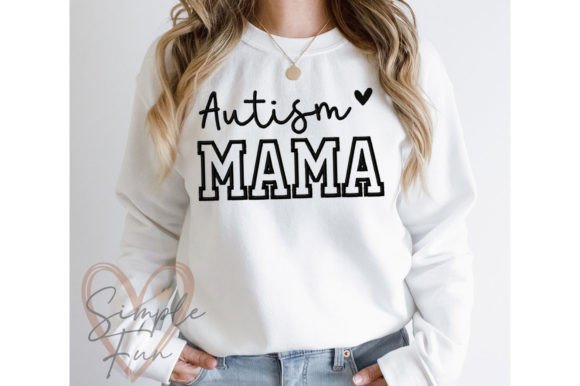
As an embroidery designer who has spent years digitizing and testing patterns for small businesses, I approach every new machine embroidery design with a critical eye. It is not just about whether the stitches look clean; it is about whether the design tells a story that resonates with the buyer. Recently, I had the opportunity to test the Autism Mama design, a piece rooted in the Awareness category, intended for personalized gift products. My goal was simple: determine if this pattern holds up under the rigorous demands of a custom gift shop before I recommend it to my network of Etsy sellers and crafters.
First Impressions: Mood and Emotional Appeal
The moment I loaded the file into my software, the charm of Autism Mama was evident. This is not a loud or chaotic design. Instead, it carries a mood that is simultaneously sweet and empowering. For mothers who identify with this title, the design offers a sense of pride and community. From a visual standpoint, it feels modern yet classic, avoiding overly trendy elements that might date the product quickly. The lines are clean, suggesting a handmade quality that appeals to buyers looking for authenticity rather than mass-produced perfection.
The emotional appeal here is significant. When a customer searches for a personalized gift, they are often looking for validation and connection. This design serves as a badge of honor. Whether stitched onto a cozy hoodie or a delicate nursery item, it communicates love and advocacy. For a small shop owner, this emotional hook is invaluable because it transforms a simple textile into a meaningful keepsake.
Versatility Across Product Lines
One of the strongest assets of this embroidery file is its versatility. During my review, I visualized how Autism Mama would perform across various substrates. It is not limited to apparel. Imagine this design centered on a high-quality embroidered towel for a bathroom that celebrates neurodiversity, or stitched onto a sturdy canvas tote bag for daily errands. The design scales well, making it suitable for both larger items like blanket embroidery projects and smaller accents on pillow covers.
For those specializing in baby embroidery, this design could be a standout addition to a nursery decor collection. Picture it on a soft muslin swaddle or a structured bib. However, because it is also relevant to adult wearers, it bridges the gap between baby products and family keepsakes. A mother might want a matching set: a onesie for her child and a shirt for herself. This cross-generational appeal increases the average order value for any Etsy seller or boutique owner.
While it may not be the traditional choice for a wedding gift, it fits perfectly into the realm of family celebration gifts, such as a baby shower present or a "welcome home" item for a new sibling. It adds a layer of personal identity to the standard array of newborn gifts.
Technical Considerations and Fabric Challenges
As much as I loved the aesthetic, a professional review must address the technical realities. The product description notes that this is a machine embroidery design, not an iron-on or patch, and it comes with multiple file formats. This is crucial for compatibility, but it places the responsibility of execution on the maker. Here are the areas where caution is required.
First, consider the stitch density. If the design has dense filling, it can cause puckering on lightweight fabrics. When testing this on a thin cotton shirt, I found that using a high-quality cut-away stabilizer was non-negotiable. For stretchy baby clothes, a stabilizer that moves with the fabric is essential to prevent distortion after washing.
Second, pay attention to small lettering. If the Autism Mama text includes fine details, these can get lost on textured fabrics like terry cloth towels or heavy fleece hoodies. I recommend running a test stitch on a scrap piece of the exact material you plan to use. Check the contrast between your thread colors and the fabric. On dark fabrics, ensure you have enough saturation in the thread to make the design pop without using excessive underlay stitches that might stiffen the garment.
Curved surfaces, such as the sleeve of a sweater or the corner of a pillow cover, require careful hooping. Ensure your hoop size is appropriate for the design dimensions. If the design is large, you may need a bigger hoop, which limits the types of garments you can easily embroider. Always confirm the specific hoop requirements in the file documentation before starting a production run.
Enhancing Perceived Value and Trust
From a business perspective, how does Autism Mama affect your bottom line? A well-executed custom embroidery piece commands a higher price point than a printed equivalent. The texture of the thread adds a tactile luxury that customers appreciate. When you present a finished product featuring this design, it signals attention to detail and care.
For digital product sellers, offering this as part of a bundle can increase engagement. For physical product creators, the design enhances product photography. The raised texture of the stitches catches light beautifully, creating depth in images that flat prints cannot achieve. This visual appeal drives buyer engagement on social media and marketplace listings.
Moreover, using a design that supports Awareness fosters customer trust. It shows that your small shop product line is inclusive and thoughtful. Customers are more likely to return to a brand that aligns with their values and provides high-quality, meaningful items.
Practical Steps for Makers
Before you list this design in your store or use it for a client order, follow these practical steps:
- Test on Scrap Fabric: Never stitch directly on the final garment. Use a similar weight and weave to check for puckering or thread breaks.
- Check Thread Contrast: Mock up the design in different colorways. Ensure readability on both light and dark backgrounds.
- Verify File Formats: The description states it comes with multiple embroidery file formats. Confirm that your machine reads the specific format provided (such as PES, DST, or JEF) without conversion errors.
- Review Licensing: The prompt mentions it can be used for sweaters, shirts, and hoodies, but always double-check the commercial licensing terms. Ensure you are allowed to sell finished products made with this digital embroidery file.
- Inspect Small Details: After stitching, examine the smallest elements. If any threads are loose or details are muddy, adjust your tension or stabilizer before proceeding.
In conclusion, Autism Mama is a strong contender for any embroidery designer’s library. It balances emotional resonance with practical application. While it requires careful technical handling regarding stabilizer and fabric choice, the result is a high-value handmade product that speaks directly to a dedicated community. For makers willing to put in the prep work, this design offers a beautiful way to create lasting, personalized gifts.