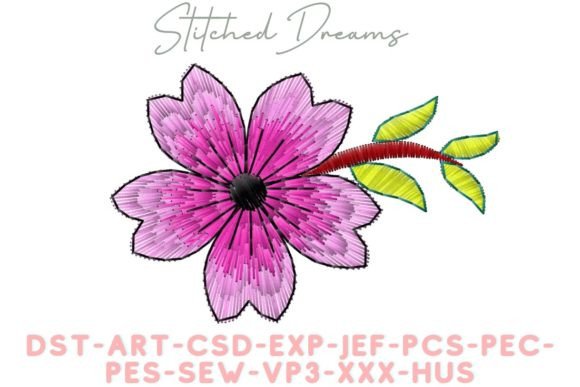
Reviewing Detailed Flower for Personalized Gifts
As an embroidery designer who has spent countless hours digitizing and testing patterns, I approach every new machine embroidery design with a mix of curiosity and caution. When I first loaded the Detailed Flower file into my software, I was immediately struck by its potential. This is not just another generic floral motif; it is a piece that carries weight, emotion, and a distinct sense of craftsmanship. For those of us running small shops or selling on platforms like Etsy, finding a design that bridges the gap between professional quality and heartfelt charm is rare. Today, I am sharing my practical review of this design, specifically focusing on how it performs when transformed into a personalized gift.
The First Impression: Elegance Meets Nature
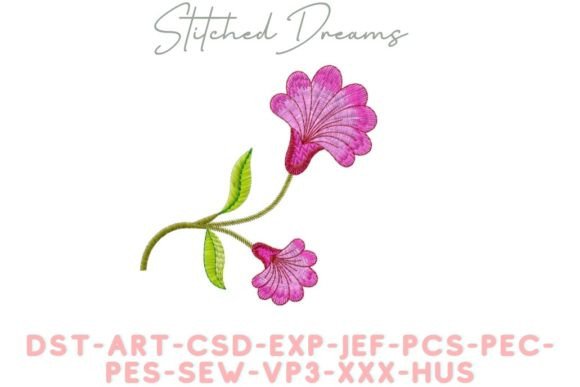
The mood of Detailed Flower is undeniably elegant yet approachable. It captures the intricate details of nature without feeling overly stiff or formal. The accompanying graceful leaf adds a sense of movement, making the composition feel organic rather than static. For a handmade product, this balance is crucial. If a design is too complex, it can look cluttered on smaller items; if it is too simple, it may lack the perceived value customers expect from custom work. This design hits a sweet spot. It feels romantic and classic, making it versatile enough for a wide range of occasions, from spring birthdays to autumn weddings.
When I zoomed in on the digital embroidery file, I noticed the careful planning of the stitch paths. The density appears well-managed, aiming to capture texture without creating a heavy, cardboard-like feel on the fabric. This attention to detail suggests that the designer understands the limitations and strengths of home embroidery machines. For a small shop product, this reliability is key. You do not want to spend hours troubleshooting thread breaks or puckering when you have orders to fulfill.
Versatility Across Product Lines
One of the strongest assets of Detailed Flower is its adaptability. I tested the design mentally against several common product categories, and it performed well across the board. Here is how it shines in specific applications:
- Baby Embroidery: For nursery items, the soft, natural aesthetic works beautifully. Imagine this stitched onto a muslin swaddle or a baby blanket. The organic shape complements the gentle theme of baby products. However, always ensure the stitch density is appropriate for delicate baby skin and fabrics.
- Wedding Gift Keepsakes: This design exudes a timeless quality perfect for wedding gifts. It would look stunning on a ring bearer’s pillow cover or as an accent on a bridal robe. The elegance of the flower pairs well with monograms, allowing for high-end custom embroidery options.
- Kitchen and Home Decor: An embroidered towel featuring this flower instantly elevates a standard kitchen item into a boutique-style piece. It also works well on aprons, adding a touch of whimsy for the home cook. For living spaces, consider using it on throw pillows or tote bags for a chic, botanical look.
For Etsy sellers and craft fair vendors, this versatility means you can create a cohesive collection. You can offer the same design on different items, maximizing your marketing efforts. A customer who loves the design on a tote bag might return for a matching pillow cover or blanket embroidery project.
Navigating Technical Challenges
While Detailed Flower is beautiful, it requires thoughtful execution. As experienced makers know, not every fabric behaves the same way. Here are areas where you must exercise caution:
Fabric Texture and Stability: The intricate details of the flower can get lost on highly textured fabrics like thick terry cloth towels or rough linen. On these materials, the fine lines may blend into the weave. I recommend using a cut-away stabilizer to provide a smooth foundation. For stretchy fabrics, such as those used in baby clothes, proper hooping and stabilizer selection are non-negotiable to prevent distortion.
Scale and Hoop Size: Before stitching, you must confirm the hoop size required for the design. If you attempt to shrink the design too much to fit a small pocket or cuff, the delicate details may merge, resulting in a muddy appearance. Always check the minimum recommended size provided with the embroidery file. If the details are too fine for a small hoop, consider resizing the design only if the software allows for intelligent reshaping, or choose a larger product like a tote bag or apron front.
Thread Color Contrast: The beauty of this design relies on contrast. On dark fabrics, you will need to use lighter, vibrant thread colors to make the petals pop. Conversely, on light fabrics, subtle tonal variations can create a sophisticated, understated look. I advise creating a printable mockup or digital preview to test color combinations before committing to expensive threads.
Enhancing Perceived Value and Trust
In the world of online sales, particularly for commercial embroidery businesses, the visual appeal of your listing drives engagement. Detailed Flower photographs exceptionally well. The depth created by the stitches adds a three-dimensional quality that flat prints cannot match. When you showcase a finished product, such as a neatly embroidered apron or a folded baby blanket, the design signals quality. It tells the buyer that time and care were invested in the item.
This perceived value builds customer trust. When a buyer sees a crisp, well-executed floral design, they associate it with professionalism. This is vital for converting browsers into buyers. Furthermore, because the design feels handmade and unique, it fosters an emotional connection. Customers are not just buying a towel; they are buying a piece of art that brings warmth to their home. This emotional resonance is what drives repeat business and positive reviews.
Practical Steps for Success
To ensure your final products meet high standards, follow these practical steps before fulfilling customer orders:
- Test on Scrap Fabric: Never stitch a new design directly on your final product. Use scraps of the exact same fabric and stabilizer combination you plan to use for the order.
- Check Stitch Density: Observe the test stitch-out. If the fabric puckers, you may need to adjust your tension or use a heavier stabilizer. If the coverage is sparse, consider adding underlay stitches if you have editing capabilities.
- Verify Licensing: Before selling any finished product, confirm the commercial licensing terms of the digital embroidery file. Ensure you have the right to sell items made with this design, especially if you are operating as a business.
- Compare Light and Dark Mockups: Create visuals showing the design on both light and dark backgrounds. This helps customers visualize the product in their own homes and reduces hesitation during the purchasing process.
- Inspect Small Details: After stitching, examine the tips of the petals and the leaf veins. Are they sharp? If they are frayed or blunt, your needle may be dull, or your thread quality may need improvement.
In conclusion, Detailed Flower is a standout addition to any embroidery designer’s library. It offers the flexibility needed for diverse product lines, from Clothing accessories to home decor. By respecting the technical requirements of Embroidery and leveraging the design’s natural elegance, you can create personalized gifts that resonate deeply with customers. Whether you are crafting a wedding keepsake or a cozy baby item, this design provides the artistic foundation for memorable, high-quality handmade goods.