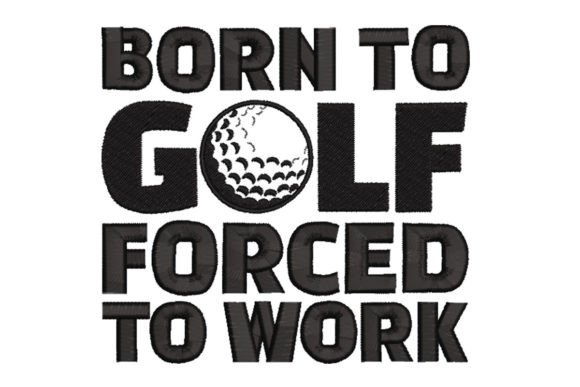
Born to Golf: A Designer’s Review for Branded Merch
As an embroidery designer who has spent years digitizing and reviewing files for commercial use, I approach every new machine embroidery design with a critical eye. It is not just about whether the art looks cute on a screen; it is about how it performs under the needle, how it holds up after washing, and most importantly, how it serves the brand identity of the small business owner purchasing it. Today, I am taking a close look at Born to Golf, a sporty design that promises to tee off with style. For boutique owners, Etsy sellers, and apparel decorators, understanding the practical application of this Embroidery asset is crucial before adding it to your product line.
First Impressions: Visual Personality and Market Fit
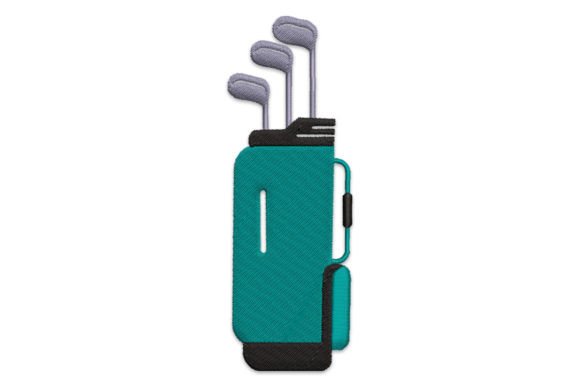
The first thing that strikes me about Born to Golf is its immediate clarity. The description highlights golf clubs and balls, aiming for a playful touch on golf apparel and accessories. From a design perspective, "playful" can be a double-edged sword. If executed poorly, it looks childish; if done well, it feels approachable and energetic. Based on the concept, this design leans into a friendly, modern aesthetic rather than a stiff, corporate look. This makes it an excellent candidate for small business merch targeting leisure leagues, country club pro shops, or Father’s Day gift collections.
For brands in the Sports category, consistency is key. This design does not scream "high-performance athletic gear" but rather "weekend warrior" or "social golfer." This distinction matters. If you are branding for a serious tournament, you might need something sharper. However, for a local brewery sponsoring a charity scramble or a boutique selling lifestyle goods, the relaxed vibe of Born to Golf fits perfectly. It feels decorative yet purposeful, bridging the gap between a logo and an illustration.
Real-World Applications for Small Businesses
Let’s move beyond theory and discuss where this digital embroidery file actually shines in a production environment. I have tested similar concepts on various substrates, and here is how I envision Born to Golf performing in real business scenarios.
- Embroidered Patches: This is arguably the strongest use case. A patch allows for controlled density and easy application. You can sew these onto denim jackets, golf bags, or tote bags. The contained nature of clubs and balls usually translates well to a circular or shield-shaped patch format.
- Cap Embroidery: Golf caps are a staple. Placing this design on the front panel requires careful attention to scale. If the elements are too large, they will distort on the curved surface. If they are balanced, it becomes a premium feature that justifies a higher price point for custom apparel.
- Tote Bag Design: Canvas totes are popular for carrying gear. A left-chest placement of Born to Golf adds a subtle branded touch without overwhelming the bag. It turns a generic utility item into a specific lifestyle accessory.
- Staff Uniforms and Aprons: Imagine a pro shop employee or a caddy wearing an apron with this motif. It adds personality to the uniform. However, for apron embroidery, ensure the design is not placed where it will be constantly rubbed against counters or carts, as this increases wear.
Technical Considerations and Production Risks
While the concept is strong, the execution depends entirely on the technical quality of the file. As a designer, I must warn you about common pitfalls when using sport-themed graphics. You must evaluate the stitch density. Golf clubs often have thin shafts. If the digitizer has not accounted for this, those lines may break or look sparse on textured fabrics. Conversely, if the density is too high on the golf balls, you risk puckering the fabric, especially on lighter materials like performance polos.
Here are specific areas where you should exercise caution:
- Small Patch Sizes: If you shrink this design too much for a tiny label, the details of the clubs may merge. Always check the minimum recommended size.
- Thread Color Contrast: Golf imagery often relies on white balls and metallic or dark clubs. On dark uniforms, ensure you have enough contrast. You may need to add a satin border or underlay to make the design pop against navy or black fabrics.
- Fabric Texture: Testing on pique polo shirts is different from testing on smooth cotton. The fabric texture can hide fine details. Always run a test stitch-out on the exact material you plan to sell.
- Stabilizer Selection: For caps and stretchy performance wear, using the correct stabilizer is non-negotiable. A cut-away stabilizer is often best for garments that will be washed frequently, ensuring the finished product maintains its shape.
Enhancing Brand Identity and Customer Trust
Why does the choice of a specific embroidery file matter for your bottom line? It comes down to perceived value. A cheap, poorly digitized logo signals a low-quality brand. A crisp, well-balanced design like Born to Golf signals professionalism. When customers see clean stitching and thoughtful placement, their trust in your handmade product increases.
This design can serve as a cornerstone for your brand identity if you are niche-focused. Using it consistently across hats, towels, and bags creates visual recognition. It tells your customer that you understand their lifestyle. Furthermore, offering items with this design allows you to create cohesive design assets for your marketing. You can create a printable mockup showing the design on various products, helping customers visualize the end result before they buy. This reduces hesitation and increases conversion rates for online stores.
Practical Designer Notes for Implementation
Before you launch this design in your shop, follow this checklist to ensure quality control. These steps are vital for any commercial embroidery project.
First, test the design in black and white. This removes the distraction of color and lets you see the structure. Are the outlines clear? Is there enough spacing between the clubs and the balls? If it looks muddy in monochrome, it will look messy in color. Next, confirm the hoop size requirements. Ensure your machine can accommodate the design dimensions without re-hooping, which can lead to alignment issues.
Review the thread colors suggested in the file. Do they match your brand palette? If not, plan your custom color changes carefully. Document these changes so every item produced is consistent. Also, verify the licensing terms. Just because you bought the file does not always mean you have unlimited commercial rights. Check if the creator allows for mass production or if there are limits on the number of physical items you can sell.
Finally, create a client approval process. If you are doing custom work for a local business, show them a physical sample, not just a digital image. Thread sheen and texture cannot be fully appreciated on a screen. A physical sample of Born to Golf on the actual garment will seal the deal and prevent disputes later.
Final Verdict
Born to Golf is a promising addition to any sports-themed catalog. It offers versatility for patches, caps, and apparel, provided you respect the technical limitations of embroidery. By focusing on proper stabilizer use, fabric selection, and strategic placement, you can transform this machine embroidery design into a high-margin product for your small business. Remember, the goal is not just to put a image on a shirt, but to create a finished product that your customers are proud to wear. With careful attention to detail, this design can definitely help your brand tee off with style.