Golf Bag Embroidery Design Review
As an embroidery designer who has spent countless weekends behind a craft fair booth, I have learned that not every machine embroidery design is created equal. Some look fantastic on a screen but fall flat in person, while others become instant bestsellers because they hit the right emotional note with buyers. Recently, I reviewed the Golf Bag design, and I am eager to share my professional assessment of how this piece performs in a real-world retail environment.
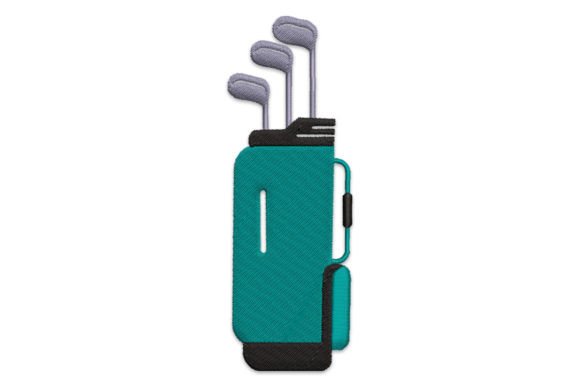
The product description promises a stunning visual experience, showcasing a golf bag with clubs through intricate stitches and lifelike textures. For those of us in the Sports niche, finding a design that balances detail with clarity is often a challenge. This particular Embroidery file aims to bring a touch of class to golfers' attire and accessories. But does it hold up under the scrutiny of a busy market day? Let’s dive into the details.
First Impressions: Premium and Textured
When I first loaded the Golf Bag design into my software, the immediate impression was one of sophistication. It does not scream "cartoonish" or overly playful; instead, it leans toward a premium, classic aesthetic. The promise of lifelike textures suggests that the digitizer has paid close attention to stitch angles and thread layering. This is crucial for a subject like golf equipment, which relies heavily on the interplay of leather, metal, and fabric textures.
For a craft fair seller, this mood is advantageous. It appeals to a demographic that values quality and tradition. It feels elegant rather than rustic or funny, making it suitable for higher-end handmade product lines. If you are targeting fathers, husbands, or serious hobbyists, this design communicates respect for the sport. It is not just a logo; it is a tribute to the game, which increases its perceived value as a gift item.
Product Application and Versatility
The true test of any digital embroidery file is its versatility across different substrates. I evaluated where the Golf Bag design would stand out in a typical booth display featuring tote bags, aprons, tea towels, patches, caps, and pillow covers.
- Tote Bags and Market Bags: This is likely the strongest application. A canvas tote provides a stable, flat surface that allows the intricate stitches to shine. As a tote bag design, it serves as a functional statement piece for carrying golf gear or everyday items. The neutral background of natural canvas lets the thread colors pop without competition.
- Aprons and Tea Towels: While apron embroidery is popular, golf-themed kitchen items are niche. However, for a specific Father’s Day or holiday collection, these could work as novelty gifts. Be cautious with tea towel embroidery; ensure the design is not too dense, as heavy stitching can make thin linen stiff and uncomfortable to use.
- Caps and Hats: Placing this on a curved cap surface requires careful planning. If the design includes fine details or small lettering, they may distort on the curve. I recommend using this as a side-panel accent rather than a full-front centerpiece unless the hoop size is specifically optimized for headwear.
- Embroidered Patches: Creating an embroidered patch with this design could be a brilliant move. Patches are high-margin, low-commitment purchases for customers. The "lifelike textures" mentioned in the description would translate well to a satin-stitch border patch, adding a tactile element that draws people to touch the product.
Production Practicality for Small Shops
For an Etsy seller or boutique maker, time is money. The description notes "intricate stitches," which raises a flag regarding production speed. High detail often means higher stitch density. Before committing to batch production, you must check the actual stitch count. If the design is too dense, it may cause puckering on lighter fabrics or take too long to run, eating into your profit margins.
Photography is another critical factor. Does the Golf Bag design photograph well for online listings? Designs with good contrast and defined edges tend to perform better in printable mockup scenarios and real-life photos. The lifelike texture should create subtle shadows and highlights that give depth to your images, making your design assets look more professional compared to flat, simple logos.
Navigating Technical Challenges
There are specific "careful-use" notes to consider when working with this type of detailed sports imagery. Dense stitch areas can be problematic on textured fabrics like waffle-weave towels or thick terry cloth. The needles may struggle to penetrate, or the design may lose clarity if the fabric pile interferes with the stitches. Always test on scrap fabric first.
Additionally, consider the color palette. Golf bags often feature black, white, navy, or red. If you are embroidering on dark fabric, you will need to ensure the design includes proper underlay and possibly a satin border to prevent the background fabric from showing through. Conversely, on light fabric, ensure your thread choices provide enough contrast to define the clubs and bag structure.
Enhancing Visual Appeal and Brand Consistency
In a crowded craft fair aisle, visual appeal stops the scroll—or in this case, the walk. The Golf Bag design contributes to brand consistency if your shop focuses on lifestyle or sports-themed goods. It signals to the customer that you offer curated, thoughtful items rather than generic clip-art products. This perception of quality allows you to price your finished product higher.
Buyer engagement increases when a design tells a story. A golfer seeing their passion represented with "a touch of class" feels understood. This emotional connection drives sales. Whether used as a focal point on a pillow cover or a subtle accent on a shirt pocket, the design should feel intentional. Avoid shrinking it so small that the intricate details merge into a blob; respect the minimum size requirements of the digitization.
Designer Notes for Successful Execution
To ensure your craft fair product line succeeds with this design, follow these practical steps:
- Test on Scrap Fabric: Never skip this step. Run the design on the exact material you plan to sell. Check for puckering, thread breaks, or registration issues.
- Check Thread Contrast: Ensure your thread colors distinguish the clubs from the bag. Monochromatic schemes can look elegant but may lack definition from a distance.
- Review Spacing and Hoop Size: Confirm the hoop size required. If it requires a large hoop, factor that into your pricing and production time. Ensure elements are not too close together, which can cause thread nesting.
- Use the Right Stabilizer: For intricate designs, a cut-away stabilizer is often safer than tear-away, especially on stretchy fabrics or items that will be washed frequently.
- Create Real Mockups: Before listing on Etsy, create at least one physical sample. Photograph it in natural light. Use these images for your printable mockup comparisons to ensure digital representations match reality.
- Confirm Commercial Licensing: Always verify the license terms of your commercial embroidery files. Ensure you are allowed to sell finished physical goods made with the design.
In conclusion, the Golf Bag design offers a sophisticated option for sellers in the sports niche. By paying attention to fabric choice, stitch density, and presentation, you can transform this digital file into a standout small shop product that resonates with golf enthusiasts and gift-givers alike.