Cute Heart Embroidery Review for Business Merch
As an embroidery designer who has spent years digitizing files and consulting with small business owners, I approach every new machine embroidery design with a critical eye. It is not just about whether a motif looks pretty on a screen; it is about how it performs in the real world of commercial production. Recently, I reviewed the Cute Heart design, a file marketed primarily for Valentine’s Day arts and crafts. While the initial description highlights its suitability for clothes, jackets, pillowcases, and home decor, my focus was strictly on its viability for branded merchandise and small business applications. Can this simple heart shape elevate a boutique brand, or is it merely a seasonal decoration? Here is my professional assessment.
First Impressions: Visual Personality and Brand Fit
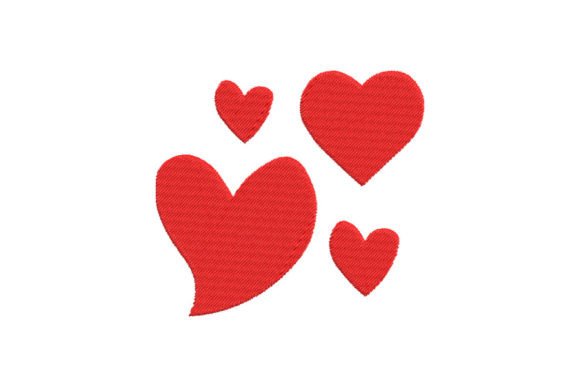
The first thing you notice about Cute Heart is its approachable aesthetic. It does not strive for hyper-realism or complex shading. Instead, it offers a clean, friendly silhouette that feels both handmade and modern. For a small business owner, this visual personality is crucial. It signals warmth, care, and attention to detail without appearing overly corporate or stiff. This makes it an excellent candidate for brands in the bakery, florist, pet care, or creative studio sectors. The design feels decorative yet functional, striking a balance that allows it to serve as a subtle accent rather than a overpowering logo.
However, "cute" can sometimes be mistaken for "amateur" if not executed correctly. The success of this design relies heavily on the quality of the digitization. A well-digitized heart should have smooth curves and consistent stitch direction. If the edges are jagged or the fill is uneven, it will detract from the perceived value of your finished product. Therefore, before committing to a large run, it is essential to inspect the embroidery file closely at 100% zoom to ensure the structural integrity of the design.
Real-World Applications for Small Business Merch
The versatility of Cute Heart is its strongest asset for small business merch. Because the shape is universally recognized and simple, it adapts well to various substrates. Here is how I envision this design performing in a commercial context:
- Embroidered Patches: This is perhaps the most lucrative application. A small, heart-shaped patch can be sewn onto denim jackets, canvas totes, or even laptop sleeves. It serves as a low-commitment branding element that customers love to collect.
- Apron Embroidery: For bakeries and cafes, placing a small version of this design on the chest pocket of staff aprons adds a touch of charm. It reinforces the idea that the food or service is made with love.
- Cap Embroidery: A minimalist heart on the side panel or back of a baseball cap is trendy and understated. It avoids the bulkiness that often plagues front-panel cap designs.
- Tote Bag Design: Canvas bags are a staple for retail shops. Using Cute Heart as a corner accent or a repeating pattern can transform a generic bag into a desirable accessory.
- Product Packaging Accents: Consider sewing this design onto fabric tags attached to handmade products. It adds a tactile, premium feel to your packaging that paper labels cannot match.
When used in these ways, the design moves beyond seasonal Valentine’s Day decor and becomes a year-round asset for brand identity. It helps create a cohesive look across different touchpoints, from employee uniforms to customer gifts.
Technical Considerations and Production Challenges
While the concept is simple, the execution requires technical precision. As a designer, I must warn against assuming that any digital embroidery file is ready for immediate mass production. There are specific areas where Cute Heart requires careful handling.
Stitch Density and Fabric Texture: The density of the stitches must match the fabric. If you are embroidering on a delicate silk blouse, a high-density fill might cause puckering. Conversely, on a heavy denim jacket, a low-density stitch might look sparse and unprofessional. Always test the design on the actual fabric texture you intend to use. For stretchy materials like jersey knits, a cut-away stabilizer is non-negotiable to prevent distortion.
Size Limitations: One common mistake is shrinking complex designs too much. While a heart is simple, if the design includes any internal detailing or satin stitch borders, reducing the size below one inch can lead to thread breaks and poor definition. If you plan to use this as a tiny label or tag, ensure the digitizer has optimized the stitch count for small scales. Check the recommended hoop size provided with the file to ensure it fits your machine’s capabilities without requiring excessive re-hooping.
Thread Colors and Contrast: Do not limit yourself to red and pink. To make this design work for everyday custom apparel, experiment with neutral tones. A navy heart on a white shirt, or a cream heart on a black tote, looks sophisticated and versatile. High contrast is key for visibility, but monochromatic schemes can offer a subtle, premium look. Always create a printable mockup or stitch out a sample to verify color interaction before finalizing your inventory.
Enhancing Brand Identity and Customer Trust
In the crowded marketplace of Etsy sellers and boutique brands, consistency is king. Using a consistent design element like Cute Heart across your design assets builds recognition. When a customer sees that same heart on their receipt, their shopping bag, and their purchased item, it creates a sense of reliability and professionalism. It tells the buyer that you care about the details.
Moreover, embroidered items have a higher perceived value than printed ones. An embroidered patch or logo suggests durability and quality. By incorporating this design into your commercial embroidery projects, you are not just selling a product; you are selling an experience. It enhances the unboxing experience and encourages social media sharing, which is invaluable for organic marketing.
Practical Designer Notes for Implementation
Before you launch your new line featuring Cute Heart, follow these steps to ensure success:
- Test in Black and White: Stitch the design using only black thread on white fabric. This reveals any flaws in the digitizing, such as gaps or overlapping stitches, that color might hide.
- Verify Commercial Licensing: The product description mentions it is perfect for arts and crafts, but you must confirm if the license allows for commercial embroidery sales. Never assume; always check the terms.
- Check File Formats: Ensure the embroidery file comes in the format compatible with your machine (e.g., PES, DST, JEF). If not, request conversion before purchase.
- Create Client Mockups: If you are doing this for a client, provide a realistic mockup showing the design on the actual garment. This manages expectations and reduces revision requests.
- Evaluate Wash Durability: Test the stitched item through multiple wash cycles. Ensure the threads do not bleed and the fabric does not pucker around the design.
In conclusion, Cute Heart is more than just a Valentine’s Day novelty. With proper technical handling and strategic placement, it is a powerful tool for small businesses looking to add a personal, professional touch to their merchandise. Whether used on an apron, a cap, or a tote bag, it has the potential to strengthen your brand identity and delight your customers. Just remember to respect the technical limits of embroidery, choose your materials wisely, and always prioritize quality over speed.