Korean Finger Heart: A Designer’s Practical Review
As a designer who spends more time staring at stitch maps than actual fabric, I have learned that the simplest motifs are often the hardest to get right. When I first loaded the Korean Finger Heart embroidery design into my software, my initial reaction was one of cautious optimism. It is a trendy symbol, widely recognized in pop culture and social media, but translating a hand gesture into thread requires a delicate balance of clarity and charm. This is not just about stitching a shape; it is about capturing a specific mood of whimsy and affection that resonates with modern buyers.
I decided to put this design through its paces for a real-world project. My goal was to create a line of personalized tote bags for a local boutique that specializes in minimalist, youthful accessories. The client wanted something that felt current but not overly commercial. The Korean Finger Heart seemed like the perfect candidate, but I needed to verify if it could hold up under the scrutiny of daily use and repeated washing.
First Impressions and Visual Personality
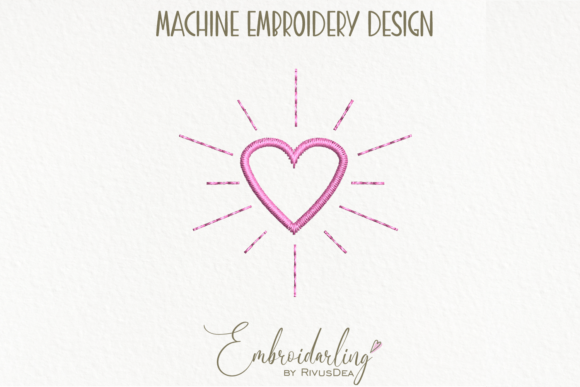
The immediate appeal of this machine embroidery design lies in its clean lines. Unlike complex floral patterns or dense fill-heavy logos, this motif relies on negative space and precise outlining. The layout feels balanced, avoiding the cluttered look that often plagues smaller embroidery files. It creates a mood that is playful yet sophisticated, which is a difficult combination to achieve in embroidery.
For Etsy sellers and craft business owners, visual recognition is key. This symbol is instantly identifiable, which means your handmade product communicates its message without needing extra text. Whether you are stitching it onto a sweatshirt embroidery project or a simple kitchen towel, the design acts as a subtle nod to contemporary culture. It fits naturally into the Valentine S Day category, but its versatility allows it to transcend seasonal limitations, making it a viable asset for year-round sales.
Real-World Application and Fabric Performance
To test the practicality of the Korean Finger Heart, I stitched it onto three different materials: a heavy canvas tote, a soft cotton baby onesie, and a textured terry cloth towel. The results varied, offering valuable insights for anyone planning to use this digital embroidery file in commercial projects.
On the canvas tote, the design popped beautifully. The structure of the fabric supported the stitches, preventing any puckering. The stitch density appeared well-calibrated for medium-weight fabrics, providing enough coverage to be visible from a distance without becoming stiff. This makes it an excellent choice for tote bag design or durable custom apparel.
However, the baby onesie presented a challenge. Because the fabric was thin and stretchy, I had to be meticulous with my stabilizer choice. A cut-away stabilizer was necessary to prevent the garment from distorting after washing. The small details of the finger heart remained clear, but I noticed that on such a small scale, the thread colors needed high contrast against the fabric to maintain visibility. For baby embroidery, pastels on white can sometimes get lost, so I recommend testing darker threads or adding a subtle satin stitch border to define the edges.
The terry cloth towel was the most difficult surface. The loops of the towel tended to swallow the finer details of the design. While the overall shape of the Korean Finger Heart was recognizable, the crispness was slightly compromised. For home decor items like this, I would suggest increasing the stitch count slightly or using a denser fill stitch if the software allows, to ensure the design stands out against the textured background.
Technical Considerations for Designers
Before you add this embroidery file to your library of design assets, there are several technical factors to consider. First, always check the recommended hoop size. While this design is small, placing it too close to the edge of a hoop can cause tension issues, especially on curved surfaces like caps or sleeves. I found that centering the design on flat panels yielded the best results.
Another critical aspect is the stitch density. If you are working with delicate fabrics like silk or lightweight rayon, a high-density design can cause perforation or tearing. I recommend running a test stitch on scrap fabric of the same weight as your final product. This step is non-negotiable for professional commercial embroidery work. It saves time, money, and reputation in the long run.
Color selection also plays a pivotal role. The Korean Finger Heart looks striking in classic red or pink, aligning with traditional holiday embroidery themes. However, do not be afraid to experiment. Monochrome stitching, such as white thread on a navy sweatshirt, can create a chic, understated look that appeals to a broader demographic. Always preview your design in black and white to ensure the structural integrity holds up without color reliance.
Commercial Viability and Brand Consistency
For small shop product creators, consistency is vital. This design integrates seamlessly into a brand identity that values simplicity and emotional connection. It works well as a standalone motif or as part of a larger composition. For instance, pairing it with a name in a complementary script font can elevate a personalized gift from generic to bespoke.
When creating printable mockup images for your online store, ensure that the lighting highlights the texture of the stitches. Buyers of finished product items want to see the quality of the work. High-resolution photos that show the sheen of the thread and the precision of the outline can significantly boost buyer engagement and trust.
It is also important to verify the licensing terms associated with this machine embroidery design. The description mentions it comes with certain files, but it does not specify commercial rights explicitly. Always confirm whether you can sell the finished product or if the license is for personal use only. Protecting your business from legal issues is just as important as the quality of your stitching.
Final Verdict
The Korean Finger Heart is a versatile and charming addition to any embroiderer’s toolkit. It performs best on medium-to-heavy weight fabrics where its clean lines can shine without distortion. While it requires careful attention to stabilizer and thread contrast on delicate or textured materials, the end result is a professional-looking motif that resonates with modern audiences.
Whether you are creating embroidered patch collections, caps, or pillow covers, this design offers a blend of trendiness and timeless appeal. By approaching it with a designer’s eye for detail and a crafter’s respect for material limitations, you can produce high-quality items that stand out in a crowded market. Remember to test, adjust, and personalize, and this little heart will likely become a staple in your embroidery project rotation.