Review: ITH Slanted Pocket Card Holder Wallet
As an embroidery designer who has spent countless weekends behind a craft fair table, I have learned that the difference between a browsing customer and a buying customer often comes down to utility mixed with aesthetic appeal. We all love a beautiful floral motif on a tote bag, but sometimes the items that fly off the table are the ones that solve a small, everyday problem. This is why I took a close look at the ITH Slanted Pocket Card Holder Wallet. It is not just another decorative element; it is a functional machine embroidery design that transforms simple fabric into a usable accessory.
When I first reviewed the specifications for this project, my immediate impression was one of modern minimalism. The concept of an in-the-hoop (ITH) wallet with slanted pockets suggests a sleek, contemporary vibe. It does not scream "rustic farmhouse" or "vintage chic" on its own; rather, it offers a blank canvas. This neutrality is its greatest strength for a craft fair product. It allows us, as makers, to dictate the mood through our choice of fabric and thread. Whether you aim for a bold, colorful pop or a soft, elegant neutral, this design adapts seamlessly.
Why Functional Accessories Sell at Markets
In my experience, customers at handmade markets are increasingly looking for handmade products that serve a purpose beyond decoration. While embroidered pillows and wall art have their place, small leather-goods alternatives made from fabric are trending. The ITH Slanted Pocket Card Holder Wallet fits perfectly into this niche. It is compact, making it an ideal impulse buy. When setting up my booth alongside larger items like aprons and market bags, having a lower-priced, high-utility item like this wallet helps capture the attention of shoppers who might not be ready to spend fifty dollars on a quilt but will happily spend fifteen on a unique card holder.
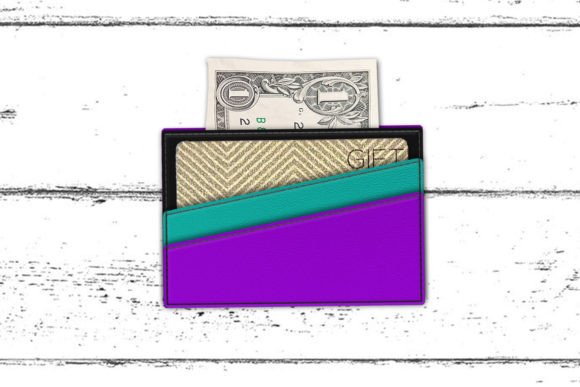
The design features three cardholder pockets, two of which are slanted. This specific detail adds a dynamic visual interest that sets it apart from standard rectangular wallets. The slant suggests movement and modern design sensibilities. For an Etsy seller or boutique maker, this means the product photographs well. The angles create shadows and depth in photos, making the finished product look more professional and less like a flat piece of fabric. This is crucial for online listings where tactile quality must be conveyed visually.
Versatility Across Product Lines
One of the most compelling aspects of this digital embroidery file is its versatility. While it is primarily an accessory, the techniques used to create it can influence other areas of your shop. If you are already selling tote bag designs or apron embroidery, adding this wallet to your lineup creates a cohesive brand identity. You can use the same fabric scraps from your larger projects to create these wallets, reducing waste and increasing profit margins.
Consider the visual impact when displayed next to other items. Imagine a table with tea towel embroidery featuring matching thread colors. A customer buys a kitchen towel and then notices the coordinating wallet. It becomes an easy upsell. Furthermore, because the front pocket is blank, it is perfect for adding your own custom monogram or small logo. This customization option is a huge draw for buyers looking for personalized gifts. It transforms a standard small shop product into a bespoke item without requiring complex digitizing work on your part.
Production Practicalities for the Busy Maker
From a production standpoint, I always evaluate a design based on how repeatable it is. Can I make ten of these in an afternoon? The ITH nature of this wallet is a significant advantage. In-the-hoop designs minimize the need for manual sewing after the machine stops. This efficiency is vital for commercial embroidery operations or sellers preparing for high-volume seasons like Christmas or Mother’s Day. However, there are careful-use notes to consider.
First, pay attention to stitch density. Wallets undergo frequent handling. If the density is too low, the fabric may sag or lose shape over time. If it is too high, the wallet becomes stiff and bulky. I recommend testing the design on scrap fabric that mimics your final choice. Cotton canvas or heavy quilting cotton usually works best. Avoid overly textured towels or loose-weave fabrics unless you use a strong cut-away stabilizer, as the structure of the wallet relies on the integrity of the stitches.
Second, consider the hoop size. Ensure your machine can accommodate the required frame. Smaller hoops might limit your ability to use thicker fabrics or multiple layers. Also, be mindful of thread colors. Since the wallet is small, high-contrast threads can highlight any minor tension issues. Using thread colors that blend slightly with the fabric can create a more premium, seamless look, while contrasting threads can highlight the slanted pocket details for a more playful aesthetic.
Enhancing Visual Appeal and Brand Consistency
The ITH Slanted Pocket Card Holder Wallet does more than just hold cards; it enhances your booth display strength. A stack of neatly folded, colorful wallets adds texture and variety to your table. It breaks up the monotony of flat items like prints or patches. For creative entrepreneurs, this design asset allows for rapid prototyping of new colorways. You can quickly sew up samples in your brand’s signature colors to see what resonates with your audience.
When creating printable mockup images for your online store, remember that the slanted pockets provide a natural focal point. Style these mockups with everyday items like coffee cups, keys, or plants to show scale and lifestyle context. This helps buyer engagement by helping them visualize the product in their daily lives. The design feels intentional and curated, which elevates the perceived value of your brand.
Designer Notes for Best Results
Before you commit to a large batch, here are my top recommendations for working with this design:
- Test on Scrap Fabric: Always run a test stitch-out. Check for puckering, especially around the slanted pockets where fabric layers converge.
- Check Thread Contrast: Decide if you want the stitching to be a feature or a subtle detail. Adjust your thread palette accordingly.
- Review Spacing: Ensure the card slots are wide enough for standard credit cards. Some thick wallets or metal cards might require slight adjustments in fabric choice rather than design editing.
- Confirm Hoop Size: Verify the dimensions against your machine’s capabilities to avoid last-minute frustrations.
- Inspect Stitch Density: Look for areas where too many stitches overlap, which can cause needle breaks or thread shredding.
- Use the Right Stabilizer: A medium-weight cut-away stabilizer is often best for items that need to maintain shape without being overly rigid.
- Create Real Mockups: Photograph the actual stitched item in natural light. Digital renderings can sometimes misrepresent fabric texture.
- Compare Fabric Colors: See how the design looks on dark versus light fabrics. Dark fabrics may require underlay stitches to prevent the base color from showing through.
- Confirm Commercial Licensing: Always check the terms of the design assets you purchase. Ensure you have the right to sell the finished product commercially.
In conclusion, the ITH Slanted Pocket Card Holder Wallet is a smart addition to any embroidery business focused on Accessories and practical Embroidery goods. It balances ease of production with high perceived value. By focusing on fabric quality and precise stitching, you can turn this simple digital file into a standout product that draws customers in and keeps them coming back for more. It is a testament to the idea that in the world of handmade goods, functionality wrapped in beautiful design is always a winning combination.