Yoga Act Zip Purse: A Designer’s Review
As an embroidery designer who has spent years digitizing patterns and testing them on everything from delicate silks to heavy canvas, I approach every new machine embroidery design with a mix of curiosity and skepticism. We all know that what looks perfect on a screen does not always translate seamlessly to fabric. Recently, I evaluated the Yoga Act Zip Purse, a digital project that promises versatility for small accessories. Here is my honest assessment of how this design performs in real-world applications, specifically for crafters, Etsy sellers, and boutique owners looking to expand their product lines.
First Impressions and Visual Personality
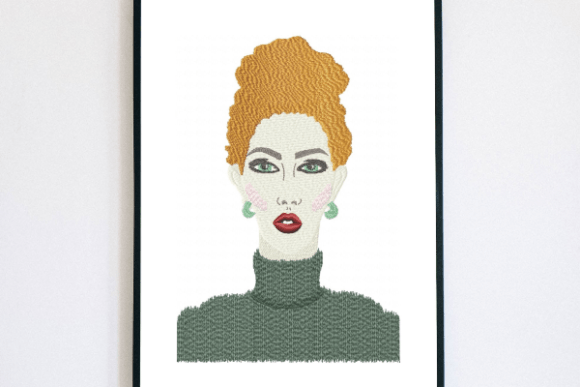
The first thing that strikes you about the Yoga Act Zip Purse is its playful yet functional aesthetic. The central motif—a cute yoga girl—immediately sets a tone of wellness, balance, and active living. This is not just a decorative element; it is a lifestyle signifier. For designers, the layout is compact and self-contained, which is crucial for in-the-hoop projects where space is at a premium. The visual personality is friendly and approachable, making it an excellent candidate for personalized gifts or small shop products aimed at health-conscious consumers.
The design relies on clean lines and balanced proportions. It avoids excessive complexity, which is a smart move for a project intended to be stitched into a zip pocket. Complex details often get lost or cause registration issues in small hoops. By keeping the silhouette distinct, the design ensures that the final finished product remains legible and charming, even at a smaller scale.
Real-World Application and Versatility
While the primary function is a zip purse, my experience suggests that this embroidery file has broader potential. I tested the concept by imagining it applied to various custom apparel and accessories. For instance, this design would work beautifully as a standalone embroidered patch on a tote bag. Imagine a canvas tote bag design featuring this yoga motif near the bottom corner—it adds a touch of whimsy without overwhelming the bag’s utility.
For those running a craft business, consider adapting this for sweatshirt embroidery. Placed on the left chest or sleeve, the yoga girl becomes a subtle brand identifier for yoga studios or fitness influencers. It also translates well to baby embroidery projects, such as a small zippered pouch for pacifiers or diaper essentials. The theme is gentle enough for nursery decor but stylish enough for adult use.
Another viable avenue is keyrings or lanyards, as suggested by the product description. These are high-volume, low-cost items that perform exceptionally well at craft fairs. The compact nature of the design means it stitches out quickly, allowing for efficient production runs. For an Etsy seller, offering this as part of a "Wellness Bundle" alongside matching headbands or water bottle holders could significantly increase average order value.
Technical Considerations for Stitching
From a technical standpoint, the success of any digital embroidery file depends on how it interacts with fabric and thread. When working with the Yoga Act Zip Purse, pay close attention to stitch density. In-the-hoop projects often involve multiple layers of fabric and stabilizer. If the density is too high, the fabric may pucker or become stiff. I recommend using a medium-weight cut-away stabilizer to support the structure, especially if you are using lighter fabrics.
Fabric texture plays a critical role here. Smooth cottons or poly-cotton blends will yield the crispest results. Avoid highly textured fabrics like terry cloth or loose weaves for the main embroidery area, as the needle may skip or the details may blur. If you are stitching on stretchy fabric, such as for a yoga outfit accessory, ensure you hoop firmly and consider using a topping to prevent the stitches from sinking into the knit.
Thread choice is another variable. Since the design features a character, thread colors need to provide sufficient contrast. Skin tones, hair, and clothing should be distinct. I advise testing your color palette on scrap fabric before committing to the final piece. A poor color combination can make the design look muddy, whereas high-contrast choices make the yoga girl pop. Also, consider using a satin stitch for borders to give a polished, professional look, while fill stitches should be used sparingly to maintain flexibility in the finished purse.
Navigating Potential Challenges
No design is without its quirks. One area where you must exercise caution is the hoop size. Ensure your machine’s hoop accommodates the entire in-the-hoop process without requiring re-hooping, which can lead to misalignment. If you are adapting this for curved surfaces like caps, be aware that the flat geometry of the original design may distort. In such cases, resizing or adjusting the underlay stitches might be necessary.
Additionally, consider the end-use of the product. If this purse is intended for frequent washing, such as a gym accessory, the durability of the stitches is paramount. Reinforce stress points, particularly around the zipper insertion area. Tiny details or intricate corners can sometimes unravel if not properly secured with tack-down stitches or adequate underlay. Always inspect the back of your stitching; neat backing indicates a well-digitized file and contributes to the overall professionalism of your handmade product.
Commercial Value and Brand Consistency
For commercial embroiderers and small business owners, the Yoga Act Zip Purse offers a strong return on investment. It appeals to a specific niche—yoga enthusiasts, mindfulness practitioners, and gift buyers looking for something unique. This specificity helps in targeting marketing efforts. When creating printable mockups for your online store, show the design in context: on a gym bag, attached to a keys, or held in hand. This helps customers visualize the scale and utility.
Consistency is key to building trust. If you use this design across a range of products, ensure that your finishing techniques remain uniform. Whether it is a holiday embroidery gift or a year-round small shop product, the quality of the stitch-out reflects directly on your brand. A clean, well-executed Yoga Act Zip Purse signals attention to detail, encouraging repeat customers and positive reviews.
Final Designer Notes
Before launching this design into your production workflow, take these practical steps:
- Test on Scrap Fabric: Always run a test stitch-out to check for tension issues and color accuracy.
- Check Licensing: Confirm whether the license allows for commercial sales of finished items. This is crucial for commercial embroidery operations.
- Review File Formats: Ensure you have the correct format for your machine (e.g., PES, DST, JEF) to avoid conversion errors that can alter stitch paths.
- Contrast Check: View your design in black and white to ensure the shapes are distinct without relying on color.
- Stabilizer Selection: Match your stabilizer to your fabric weight. Too light, and you risk puckering; too heavy, and the item loses its softness.
In conclusion, the Yoga Act Zip Purse is a versatile and charming addition to any designer’s library. It bridges the gap between functional accessory and decorative art, offering ample opportunity for customization. With careful attention to fabric choice, stabilization, and thread selection, this embroidery project can become a staple in your portfolio, delighting customers and enhancing your brand’s reputation for quality and creativity.