Reviewing Intricate Borders for Custom Gifts
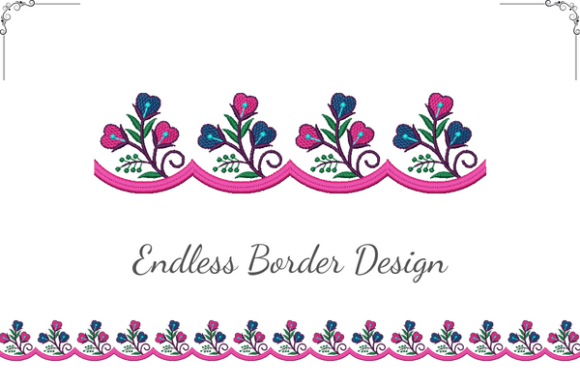
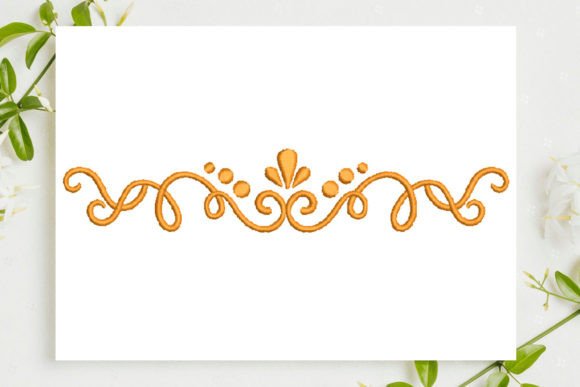
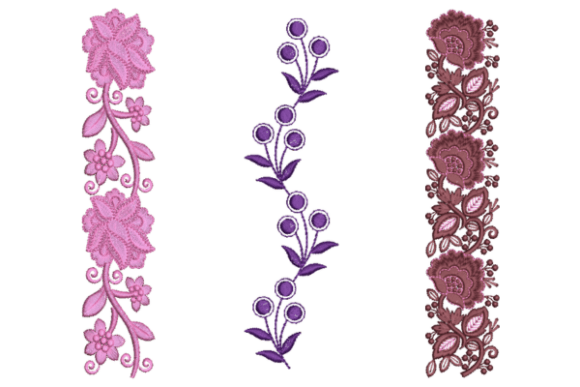
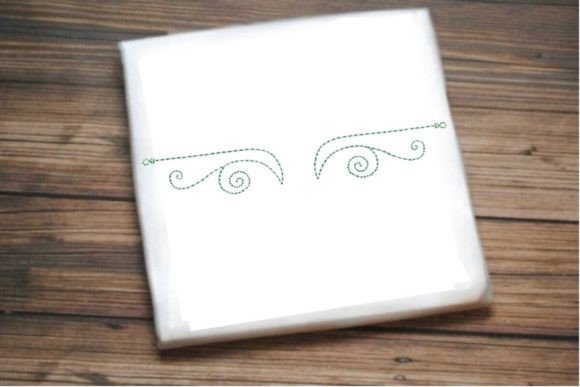
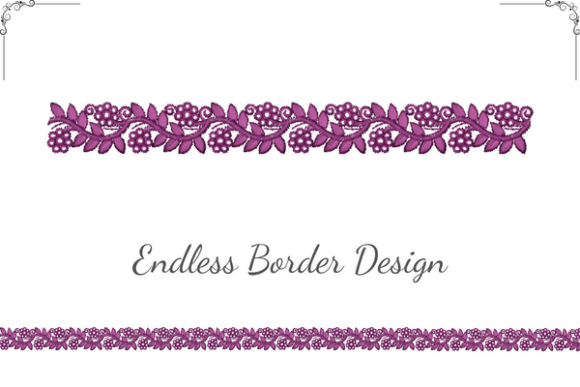
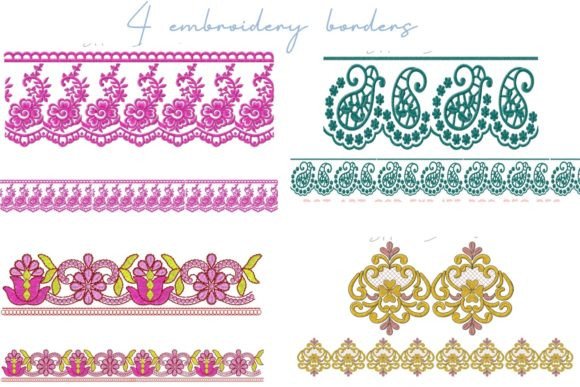
As an embroidery designer who has spent years digitizing patterns and testing them on everything from delicate silk to heavy denim, I approach every new machine embroidery design with a critical eye. It is not just about whether the pattern looks good on a screen; it is about how it behaves under the needle and, more importantly, how it resonates with the person receiving the final item. Recently, I had the opportunity to test a collection titled Intricate Borders. In the realm of digital products, envision an exquisite collection featuring four distinct designs of embroidery borders. Each design is meticulously crafted, showcasing an array of intricate flowers. This review explores how these designs perform in a real-world setting, specifically for those of us running small shops or fulfilling custom orders.
First Impressions: Mood and Aesthetic Appeal
When I first loaded the digital embroidery file into my software, the immediate impression was one of refined elegance. These are not loud, cartoonish motifs. Instead, they possess a quiet sophistication that feels both classic and timeless. The mood is romantic and slightly vintage, making them incredibly versatile. For a crafter or an Etsy seller, this versatility is gold. You are not locked into a single seasonal trend. Whether you are aiming for a springtime fresh look or a winter holiday warmth, the intricate floral elements adapt beautifully based on your choice of thread colors.
The charm lies in the detail level. The petals and leaves are defined enough to be recognizable but stylized enough to remain soft and approachable. It does not feel rigid or overly technical. This emotional appeal is crucial when creating a personalized gift. Customers are not just buying a stitched line; they are buying a feeling of care and handmade quality. Intricate Borders delivers that sense of artisanal touch without requiring hours of manual labor.
Practical Applications for Your Shop
So, where do these borders shine? I tested them across several common product categories to see where they added the most value. Here is how I envision them fitting into a diverse product lineup:
- Baby Embroidery: When scaled down appropriately, these borders make stunning accents on baby blankets and receiving swaddles. The floral motif is gentle and gender-neutral depending on the palette, appealing to parents looking for something softer than typical primary-colored nursery decor.
- Wedding Gifts: This is perhaps the strongest use case. Imagine these borders framing monograms on handkerchiefs, pillowcases, or tote bags for bridesmaids. The intricate nature of the flowers adds a layer of luxury that elevates a simple linen item into a cherished wedding gift.
- Kitchen and Home: An embroidered towel or apron featuring one of these borders along the hem transforms a utilitarian object into a decorative piece. It works exceptionally well on flour sack towels, where the lightweight fabric allows the stitching to lay flat.
- Nursery and Decor: For pillow cover projects or wall hangings, the borders can frame central text or images. They provide a structured yet organic frame that draws the eye inward.
For any small shop product line, having a border that works across multiple categories reduces the need to purchase dozens of single-use designs. It is a smart investment for commercial embroidery businesses looking to streamline their library.
Navigating Technical Challenges
While the aesthetic is beautiful, we must discuss where caution is required. As experienced makers know, intricate details can sometimes get lost or cause issues if not managed correctly. Here are the specific scenarios where you need to be careful with Intricate Borders:
Fabric Texture and Type: These designs rely on fine lines. If you are stitching on a highly textured fabric, such as a thick waffle-weave towel or a rough burlap, the smaller floral details may sink into the weave. Always check the stitch density settings. On textured fabrics, you might need to increase density slightly or use a topping stabilizer to keep the stitches on the surface.
Stretchy Materials: Be wary of using these on stretchy baby clothes unless you have extensive experience with stabilizing knits. The intricate curves can pucker if the fabric shifts even a millimeter during stitching. For blanket embroidery on minky or fleece, ensure you are using a cut-away stabilizer that is robust enough to support the weight of the thread.
Dark Fabrics: If you plan to stitch on dark fabric, remember that the underlying material can show through sparse stitching areas. You may need to adjust your underlay settings or choose thread colors with high contrast to ensure the custom embroidery pops. A low-contrast thread on a dark background can make the intricate flowers look muddy from a distance.
Enhancing Perceived Value and Trust
Why does this matter for your bottom line? Because presentation drives sales. When a customer sees a product photo featuring Intricate Borders, they perceive a higher level of craftsmanship. It signals that the maker pays attention to detail. This builds customer trust. In the world of online selling, particularly for handmade product listings, the perceived value is often tied to the complexity of the design. A simple straight stitch is functional; an intricate floral border is decorative and luxurious.
Furthermore, these borders enhance your printable mockup options. Because they are symmetrical and balanced, they look excellent in digital previews. You can easily showcase how the design would look on a tote bag or a napkin set, helping buyers visualize the finished product before they purchase. This reduces hesitation and increases buyer engagement.
Essential Preparation Steps
Before you list these designs in your store or start fulfilling orders, please follow these practical steps to ensure quality control:
- Test on Scrap Fabric: Never skip this step. Stitch out the design on the exact fabric type you intend to sell. Check for puckering, thread breaks, or registration issues.
- Check Thread Color Contrast: View your test stitch-out from five feet away. Does the design read clearly? If not, adjust your color palette.
- Confirm Hoop Size: Ensure the design fits comfortably within your machine’s hoop size with adequate margin for clamping. Do not push the design to the very edge of the hoop, as this can cause distortion.
- Review Stabilizer Choice: Match your stabilizer to the fabric weight. Lightweight fabrics need lightweight cut-away; heavy fabrics can handle tear-away, but cut-away is often safer for intricate borders to prevent long-term distortion.
- Verify Licensing: Always confirm the commercial licensing terms provided with the embroidery file. Ensure you are compliant with the designer’s rules regarding mass production or credit requirements.
In conclusion, Intricate Borders is a thoughtful addition to any digital library. It bridges the gap between traditional floral aesthetics and modern application. For the Etsy seller or boutique owner, it offers a reliable, elegant solution for adding value to everyday items. By respecting the technical nuances of fabric and tension, you can turn these digital files into tangible heirlooms that customers will treasure for years.